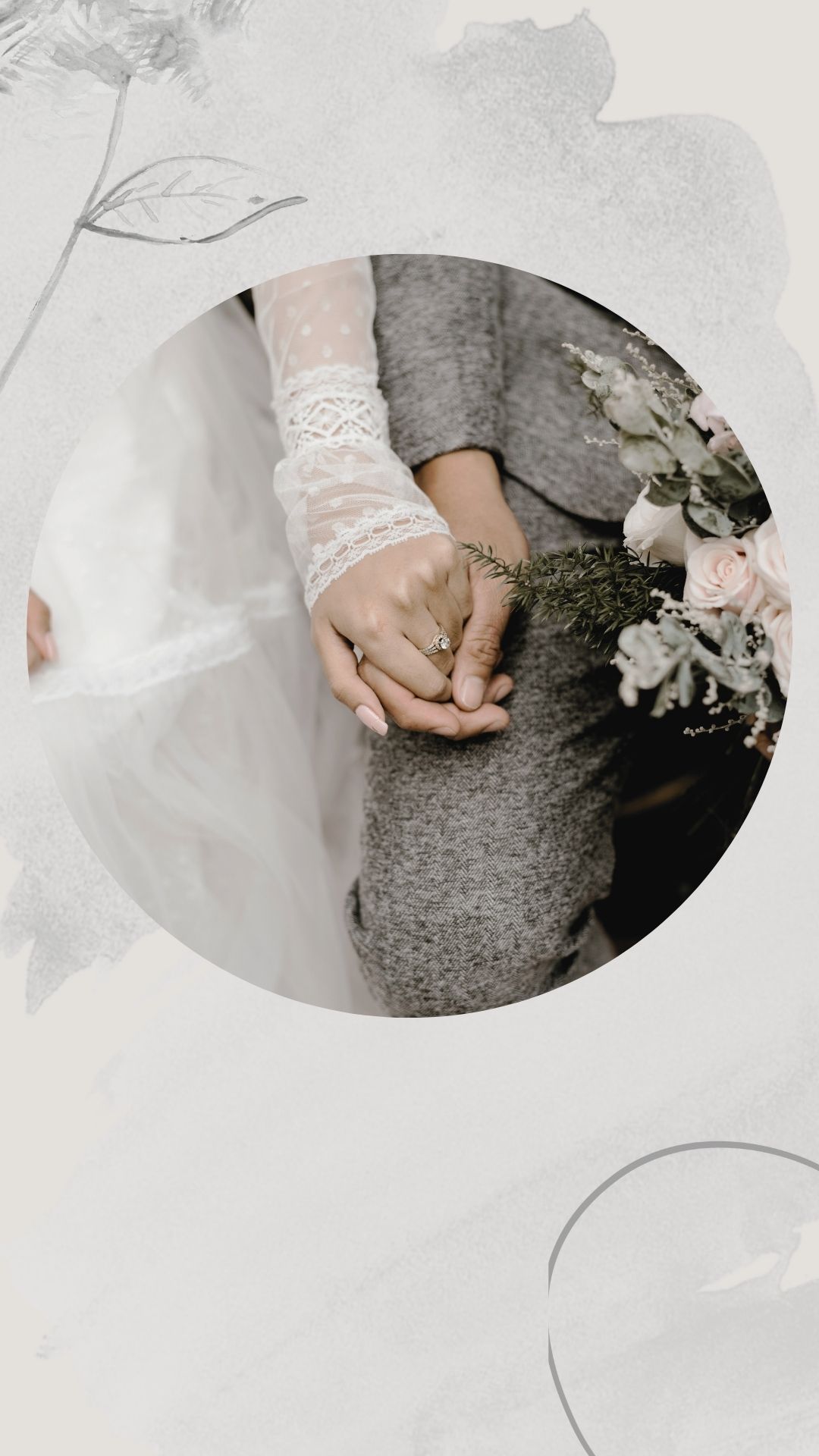
Marriage During COVID
As per Islamic law (Sharia) point of view, marriage (Nikkah) is a legal and social contract between two individuals.
21 Aug 2024
It is not a relation or bond between two peoples but two families. They have also come into the contract and long term relationship. But, the ongoing COVID-19 has severely affected all spheres of life in Kashmir, and marriages are no exception. What is usually celebrated with a lavish function is now conducted as an unadorned occasion. The peak wedding season in Kashmir starts from late April to October.
"True marriage is a bond between families, not a display of wealth and status. Let us return to simplicity, as taught by our faith, and focus on what truly matters—love, respect, and mutual understanding."
Millions of families in Kashmir had planned their wedding ceremony but the COVID-19 lockdown has reduced marriage gatherings complicated to a simple and trouble-free affair. As per guidelines issued by the J&K authorities, only 25 guests are allowed to attend any marriage ceremony in Kashmir.
What the simple Kashmir marriage look like? The decorations all over the walls, women are singing and dancing, the bulky outfits around 20 kg across bride’s body, lots of gold which they have to put on sale or relinquish them to in-laws to protect them for a lifetime because the girls are not going to wear them in future, unnecessarily exchanging of quintals of mutton, chickens, and dry fruits, 07 days of a busy schedule, don’t know why?
On average, 400-500 guests are usually invited to a middle-class Kashmiri wedding for almost three days. It is not a marriage; it is just know-it-all to the people that we can manage more acquisitive things rather than anybody else in the room.
What about the poor people? By looking at these pointless things, their eyes also lit up or compellingly come to a decision that now my children’s marriage is going to be more grand and lavish than this ceremony. Now, it is not the question of capability but the question of your status and reputation. If they didn’t do so, nobody is going to marry their children’s. Because, we are living in this society and show-off are must and our birthright
During this COVID-19 marriage ceremony is getting simple which our Islam taught us. Peoples are also out of money that’s why they are doing so? They want the ceremony on the budget which is a good sign. But, again the question is; are they going to take this legacy forward and also teach their future generations to do so? Or this is a never-ending process
By reading the daily articles on newspapers, the people of Kashmir are not concern about the simplicity but they are worried about whom to invite or, whom to leave is a tough task? They have a large family but choosing only specific people is a huge issue for them. They are also worried that they planned to cook over 800 kg of meat and chicken for the wedding feast was reduced to 50 kg as the wedding was reduced to a few guests. This is an embarrassing situation for them. The situation has forced the people to do so as everybody is concerned about their safety.
But what comes up with this entire thing. Are we following what our Islamic law (Sharia) taught us? When we look closely into our social norms and conditions, their rituals, custom, and traditions; are they are fulfilling these terms? Or they are just doing their business, and load up their accounts. Are they giving women their rights? Are they practising a simple marriage that our religion taught us? Is man’s family pressurizing the woman’s families or demanding a dowry to them? By doing these activities they are encouraging humiliation, harassments, and abusing relation.